Picture this. It's the middle of a brutal summer night, the temperature outside hasn't dropped below 85 degrees, and your air conditioner just made a strange clicking noise before going completely silent. Or maybe it's the dead of winter, your furnace refuses to turn on, and your house is getting colder by the minute. If either scenario sounds painfully familiar, you already know why finding reliable HVAC services matters more than almost anything else in your home.
Here's the truth nobody tells you upfront: most homeowners don't think about HVAC repair until something breaks. And when it does, panic sets in fast. Should you call for emergency HVAC repair right now, or can this wait until morning? Is this a simple fix, or are you looking at a full system replacement? Do you even know who to call?
This guide answers all of that and more. Whether you're dealing with home AC repair services, need furnace repair near me, or you're simply trying to understand the difference between routine maintenance and a true emergency, this article walks you through everything step by step, in plain, simple language, so you can make the right call before a small issue turns into an expensive nightmare.
By the end of this guide, you'll know exactly when to schedule standard HVAC repair services and when to pick up the phone immediately for round-the-clock help. And if you ever need that help, you can always reach a licensed team at 888-217-8365, available 24x7 for emergency and routine HVAC services across the country.
Why HVAC Services Matter More Than Most Homeowners Realize
Your heating, ventilation, and air conditioning system is quietly working behind the scenes almost every single day of the year. It keeps your home cool in July, warm in January, and comfortable everywhere in between. Most people never think about it until it stops working, and by then, the problem is usually bigger and more expensive than it needed to be.
Reliable HVAC services aren't just about fixing a broken unit. They're about protecting your home's air quality, controlling your energy bills, keeping your family safe from extreme temperatures, and extending the life of an appliance that can cost thousands of dollars to replace. A well-maintained system, backed by regular professional check-ins, almost always outlasts one that's ignored until it fails.
This is true whether you're looking for residential HVAC services for a single-family home, an apartment, or a mobile home, or you manage a property that requires commercial HVAC services for larger cooling and heating demands. The core idea stays the same: consistent care prevents costly breakdowns.
HVAC Repair vs. Emergency Service: What's Actually the Difference?
This is the single most common point of confusion for homeowners, and getting it right can save you both money and stress.
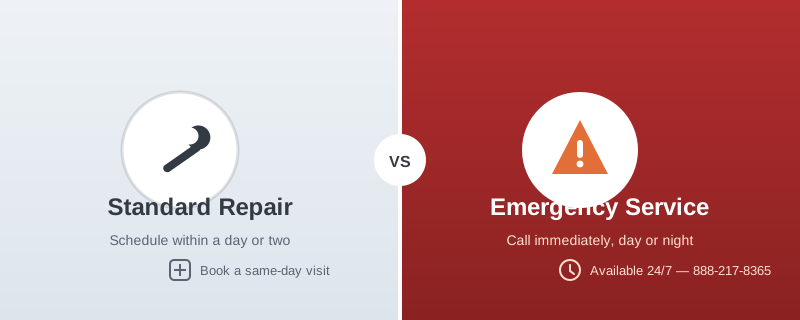
Standard HVAC Repair Services
Standard HVAC repair services cover issues that affect comfort or efficiency but don't pose an immediate safety risk or leave your home in a dangerous temperature range. These are problems you can typically schedule within a day or two without serious consequences. Examples include:
- A thermostat that's slightly inaccurate or unresponsive
- Minor noise coming from the unit that hasn't gotten worse
- Reduced airflow from certain vents
- A system that's running less efficiently than usual
- Routine seasonal tune-ups and inspections
If your home is still holding a reasonably comfortable temperature and nothing seems to be getting rapidly worse, you're likely looking at a standard repair situation. Booking a same-day or next-day appointment is usually enough.
Emergency HVAC Repair Services
Call immediately if you notice any of these:
- Complete system failure during extreme heat or cold
- A burning smell, sparking, or any sign of electrical danger
- Water leaking heavily around your unit or through your ceiling
- Strange grinding, banging, or screeching sounds that started suddenly
- Your air conditioner won't turn on at all during a heat wave
- Complete loss of heat during freezing winter temperatures, especially with children, elderly residents, or pets in the home
If you're experiencing any of these, don't wait it out. This is exactly what 24x7 emergency HVAC repair exists for, and calling a licensed team immediately, like the one available at 888-217-8365, is always the right move.
Step-by-Step Guide: What to Do the Moment Something Goes Wrong
Knowing what to do in the first few minutes after your system fails can make a real difference. Here's a simple step-by-step approach any homeowner can follow.
- Check the basics first. Before assuming the worst, rule out the obvious. Check your thermostat batteries, confirm it's set correctly, and check your breaker panel for a tripped switch. A surprising number of "broken" systems are actually simple power or setting issues.
- Identify the symptom. Try to pinpoint exactly what's happening. Is it that AC not cooling even though it's running? Is there no airflow at all? Is the unit making noise but still working? Writing down what you notice helps the technician diagnose the issue faster once they arrive, which usually means a quicker, more affordable fix.
- Decide: repair or emergency? Use the guide above. Ask yourself honestly: is this uncomfortable, or is this dangerous? Is the temperature in your home becoming unsafe? Is there any smell, smoke, sparking, or heavy leaking? If yes, this is an emergency. If no, standard HVAC repair service will handle it.
- Call a licensed HVAC contractor. This step matters more than people realize. An unlicensed or inexperienced technician can misdiagnose a problem, use the wrong parts, or leave you with the same issue a few weeks later. Always choose a certified HVAC contractor with verifiable experience across major brands and system types. You can reach a licensed team anytime, day or night, at 888-217-8365.
- Ask for upfront pricing before work begins. A trustworthy provider explains the issue, walks you through your options, and gives you a clear price before any repair starts. If a company won't give you pricing until after the job is done, that's a red flag.
- Schedule preventive maintenance going forward. Once your immediate issue is resolved, don't wait for the next breakdown. Most manufacturers recommend professional maintenance once or twice a year. This single habit prevents the majority of future emergency calls.
HVAC Services Across the United States: Availability by Region
One of the most common searches homeowners run is simply HVAC repair near me, and for good reason. Availability, technician response time, and even common system issues can vary depending on your climate and location. Here's a general breakdown of what homeowners typically look for based on region.
New York
Brutal winters demand a dependable furnace, while humid summers put heavy strain on air conditioning. Dual-system efficiency and fast winter response are top priorities.
Florida
High humidity and long stretches of extreme heat mean AC systems work harder and longer, driving more frequent maintenance and demand for emergency AC repair.
California
Coverage varies from mild coastal climates to extreme inland heat. Homeowners often prioritize energy efficiency upgrades alongside standard repair.
Whether you're in Texas dealing with intense summer heat, the Midwest managing cold winters and humid summers, or anywhere else across the country, the fundamentals of reliable HVAC services stay consistent: fast response, honest pricing, and licensed technicians who know what they're doing.
Residential HVAC Services vs. Commercial HVAC Services
Not all HVAC needs look the same, and understanding the difference helps you know what to ask for when you call.
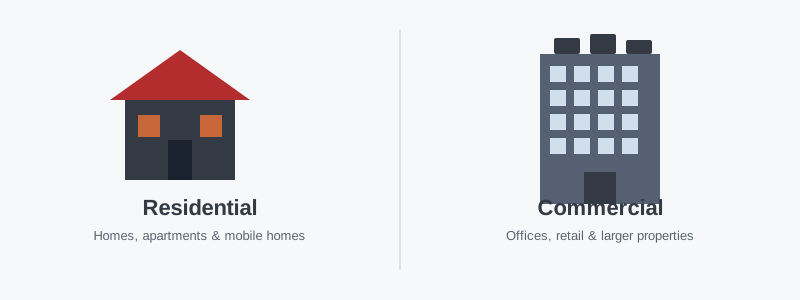
Residential HVAC Services
Designed for homes, apartments, townhomes, and mobile homes. Typically includes:
- Central air conditioning and furnace repair
- Ductless mini-split repair
- Thermostat installation and replacement
- Seasonal tune-ups and inspections
- Indoor air quality improvements
- Ductwork repair and airflow correction
Commercial HVAC Services
Covers larger-scale systems used in office buildings, retail spaces, restaurants, and other commercial properties. These systems are typically more complex, often involve:
- Rooftop unit service and repair
- Zoned climate control systems
- Higher-capacity equipment
- Technicians with commercial-grade experience
If you're unsure which category your property falls under, a quick call to a licensed provider can clarify exactly what kind of service and technician you need.
What to Expect: Features and Benefits of Professional HVAC Service
Choosing a professional, licensed HVAC provider over a quick DIY fix or an unlicensed handyman comes with real, measurable benefits.
Key Features to Look For
- 24/7 emergency availability so you're never left waiting during a true crisis
- Licensed and insured technicians trained across multiple HVAC brands
- Same-day or next-day appointments for non-emergency repair
- Upfront, transparent pricing with no hidden fees
- Full diagnostic inspections rather than guesswork repairs
- Free estimates on many services before you commit
Core Benefits for Homeowners
- Faster resolution means less time spent in an uncomfortable home
- Proper diagnosis reduces the chance of the same issue returning
- Licensed technicians reduce safety risks tied to electrical and gas components
- Preventive maintenance plans extend the overall lifespan of your system
- Transparent pricing protects you from surprise charges
Pros and Cons: Professional HVAC Service vs. DIY or Unlicensed Repair
It's worth being honest about both sides here, because not every homeowner starts out convinced they need a professional.
Pros of Professional Service
- Accurate diagnosis the first time, saving you money long term
- Safety around electrical, refrigerant, and gas components
- Warranty protection on many repairs and parts
- Access to genuine, quality replacement parts
- 24x7 emergency support when timing really matters
Cons to Be Aware Of
- Costs more upfront than a DIY attempt
- Wait times can occur during extreme weather events when demand spikes region-wide
- Not every provider is equally transparent, so choosing a reputable company matters
While DIY fixes might seem like a way to save money short term, HVAC systems involve electrical components, refrigerant, and sometimes gas lines. A small mistake can turn into a costly, or even dangerous, situation. For the vast majority of homeowners, the reliability, safety, and long-term savings of professional HVAC repair services make the investment worthwhile.
Real Homeowner Experience: What the Process Actually Looks Like
Understanding the process ahead of time removes a lot of the stress. Here's what a typical service call looks like from start to finish.
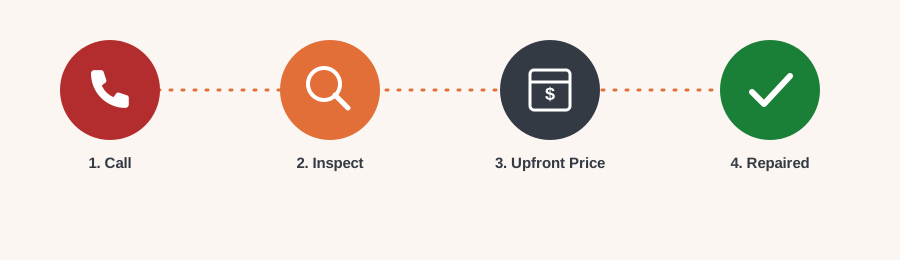
- You call. You reach out by phone or submit an online request, describing the issue in a few sentences.
- A technician is scheduled. Based on urgency, you're offered a same-day appointment or, for true emergencies, immediate dispatch.
- Full inspection happens on-site. Rather than guessing, the technician performs a complete diagnostic to find the actual root cause.
- You get a clear price before anything starts. No surprises, no pressure, just an honest explanation of what's wrong and what it will cost to fix.
- The repair is completed and tested. Quality parts are used, and the system is tested afterward to confirm everything is working safely and efficiently.
Homeowners consistently report that the biggest relief isn't just the repair itself, it's the honesty and communication throughout the process. Knowing what's wrong, what it costs, and when it'll be fixed removes almost all of the anxiety that comes with a broken system.
Pricing Details: What to Expect
Pricing for HVAC repair services varies depending on the issue, the parts required, and the complexity of the job. That said, here's what a trustworthy provider should always offer:
- Free estimates on many standard repair visits before any commitment
- Upfront pricing explained clearly before work begins, not after
- No hidden fees added onto your final bill
- Transparent breakdowns of labor versus parts costs when replacement is needed
If a company refuses to give you pricing information before starting work, treat that as a warning sign and look elsewhere.
Bonus Tips: Getting the Most Value From Every HVAC Service Call
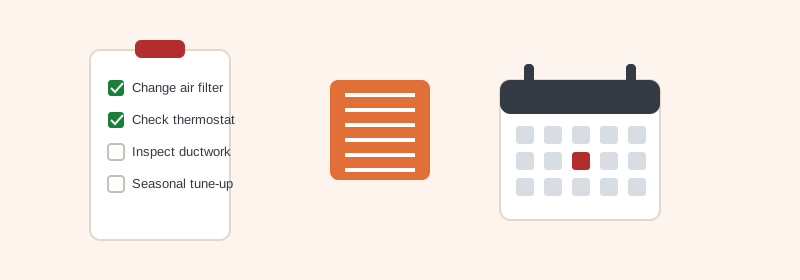
Quick habits that prevent most emergency calls
- Keep a simple log of when your system was last serviced — it helps technicians spot patterns faster
- Change air filters regularly — this one habit alone prevents a huge percentage of common breakdowns
- Don't ignore small noises or minor performance drops — catching an issue early almost always costs less than waiting for full failure
- Ask about seasonal maintenance plans that catch problems before they become emergencies
- Save your provider's number somewhere easy to find — when your furnace repair near me search happens at midnight, you don't want to be scrambling
Frequently Asked Questions
Most licensed providers offer air conditioning repair, heating and furnace repair, ductless mini-split repair, duct repair, thermostat replacement, indoor air quality improvements, and both residential and commercial HVAC services, along with 24x7 emergency HVAC repair.
If your air conditioner won't turn on during extreme heat, if there's a burning smell, sparking, heavy water leakage, or if your home is reaching an unsafe temperature, treat it as an emergency and call immediately.
This is one of the most common issues homeowners face. It can be caused by low refrigerant, a dirty air filter, a failing compressor, or blocked airflow. A licensed technician can pinpoint the exact cause quickly.
Response times vary by location and demand, but reputable providers prioritize same-day and immediate response for true emergencies whenever possible.
Many do, especially for standard repair visits. It's always worth asking upfront before scheduling.
Residential services focus on homes, apartments, and mobile homes, while commercial services handle larger, more complex systems used in offices, retail spaces, and other business properties.
Most manufacturers and technicians recommend professional maintenance at least once or twice a year to catch small issues before they turn into expensive emergencies.
Availability can vary by provider, location, and demand, but many established HVAC service companies offer round-the-clock emergency support, including the team available at 888-217-8365.
Final Thoughts: Don't Wait Until It's an Emergency
Here's the honest bottom line. Every homeowner eventually deals with an HVAC issue, whether it's a minor inconvenience or a full-blown emergency in the middle of the night. The difference between a stressful, expensive experience and a smooth, manageable one almost always comes down to two things: how quickly you act, and who you call.
If your system is showing early warning signs — a strange noise, weak airflow, rising energy bills — don't wait for it to fail completely. Scheduling standard HVAC repair services now is almost always more affordable than waiting for a full emergency later. And if you're already facing a true crisis, whether that's AC not cooling during a heat wave or a furnace that won't start on a freezing night, immediate action matters.
Choosing a licensed, transparent, and experienced HVAC provider isn't just about fixing today's problem. It's about protecting your home for every season that follows.